Maximum temperature, heat break design and the nozzles it will accept
The best hotends for 2026
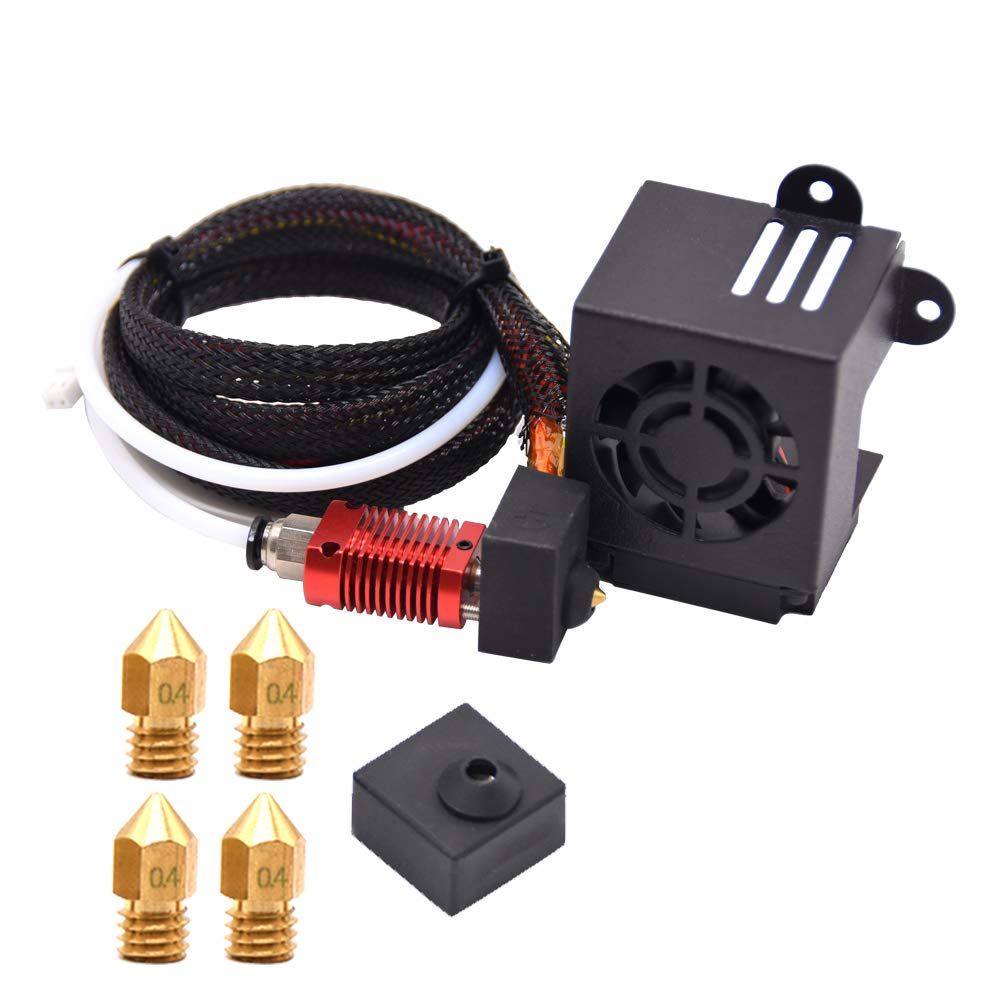
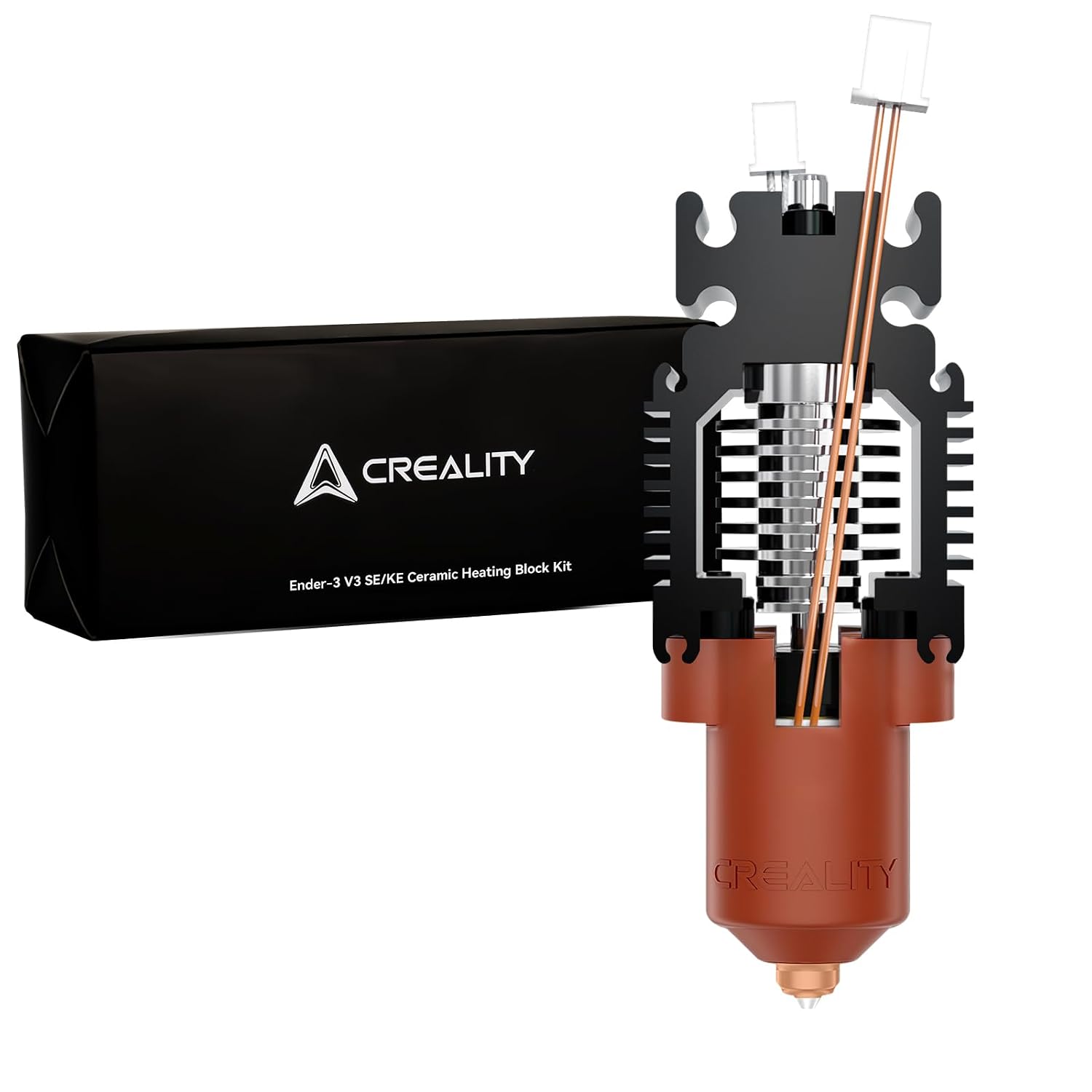
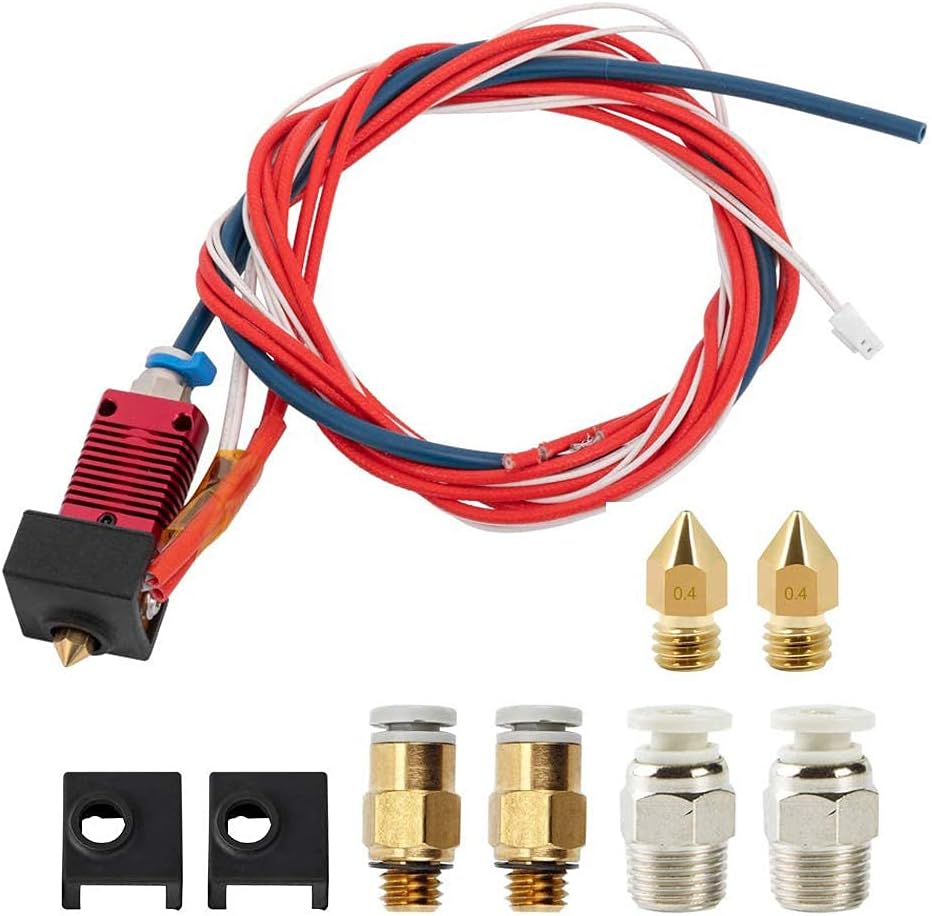
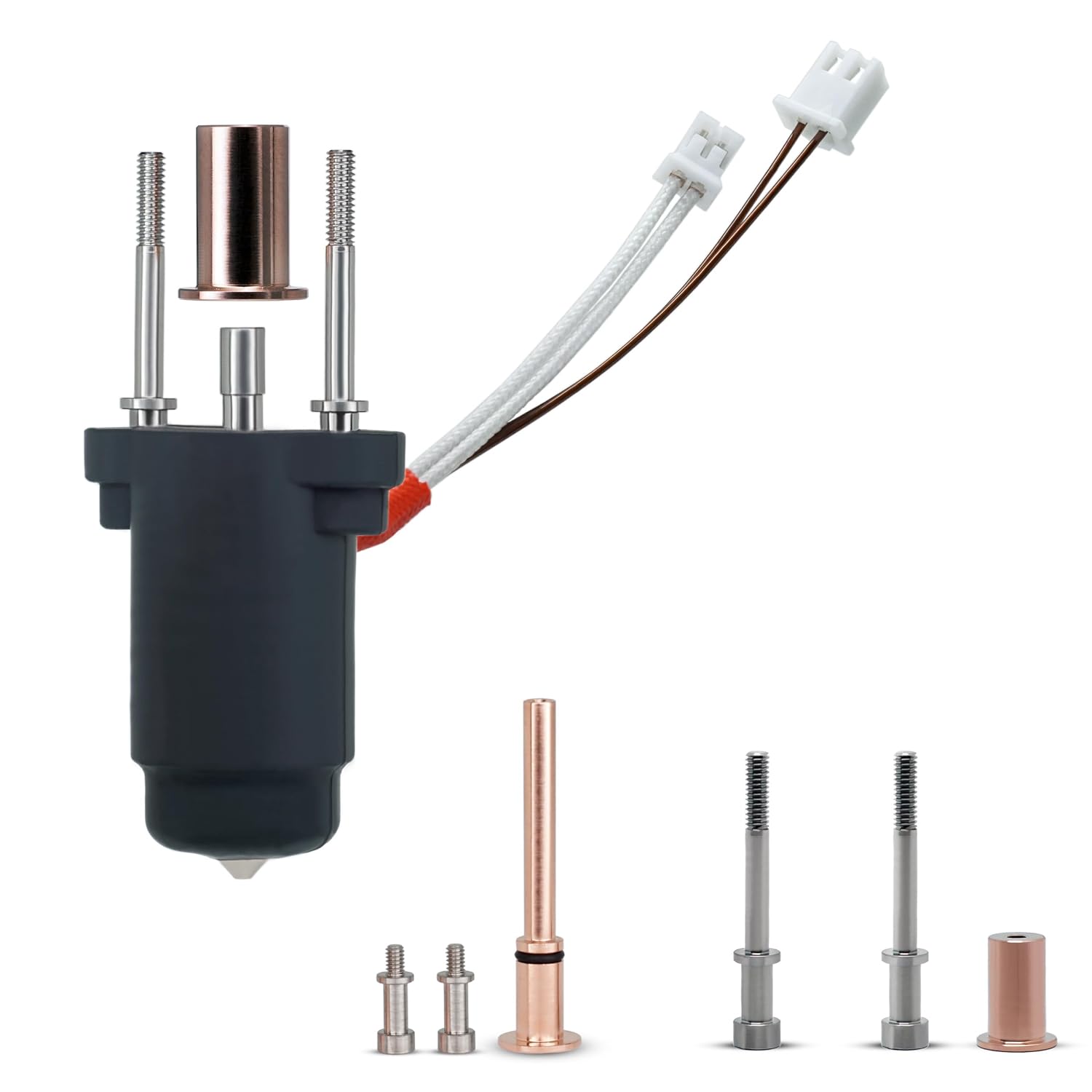
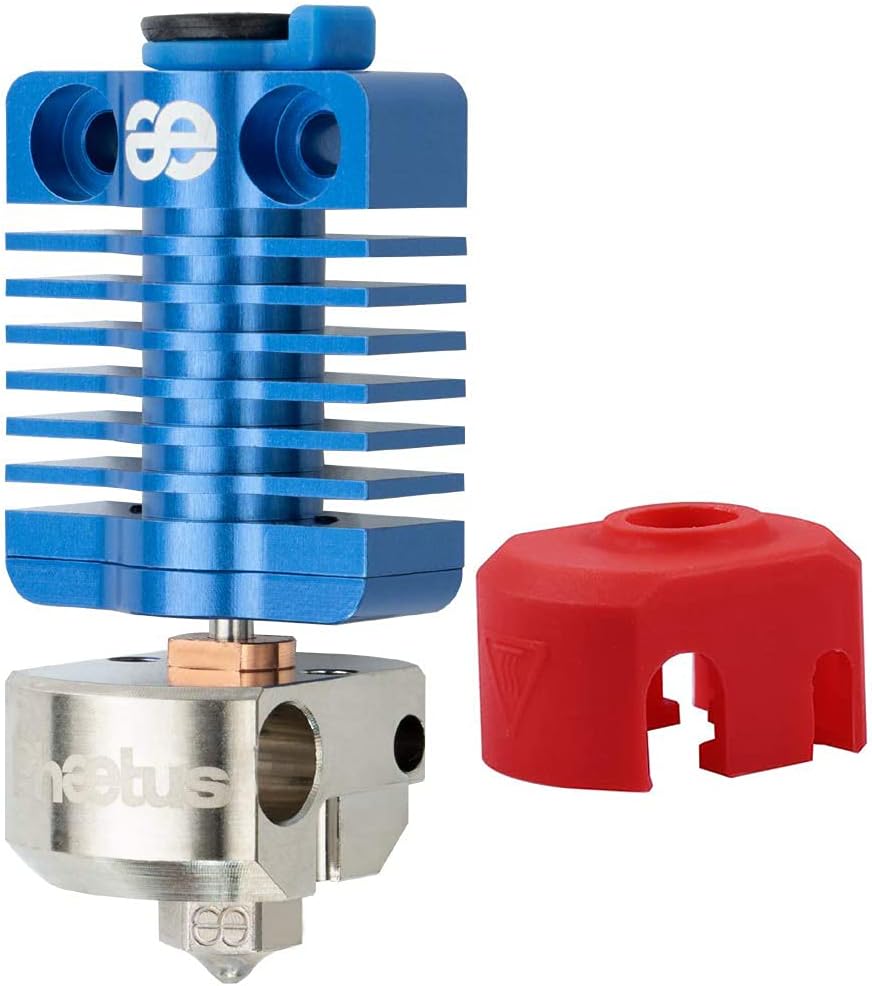
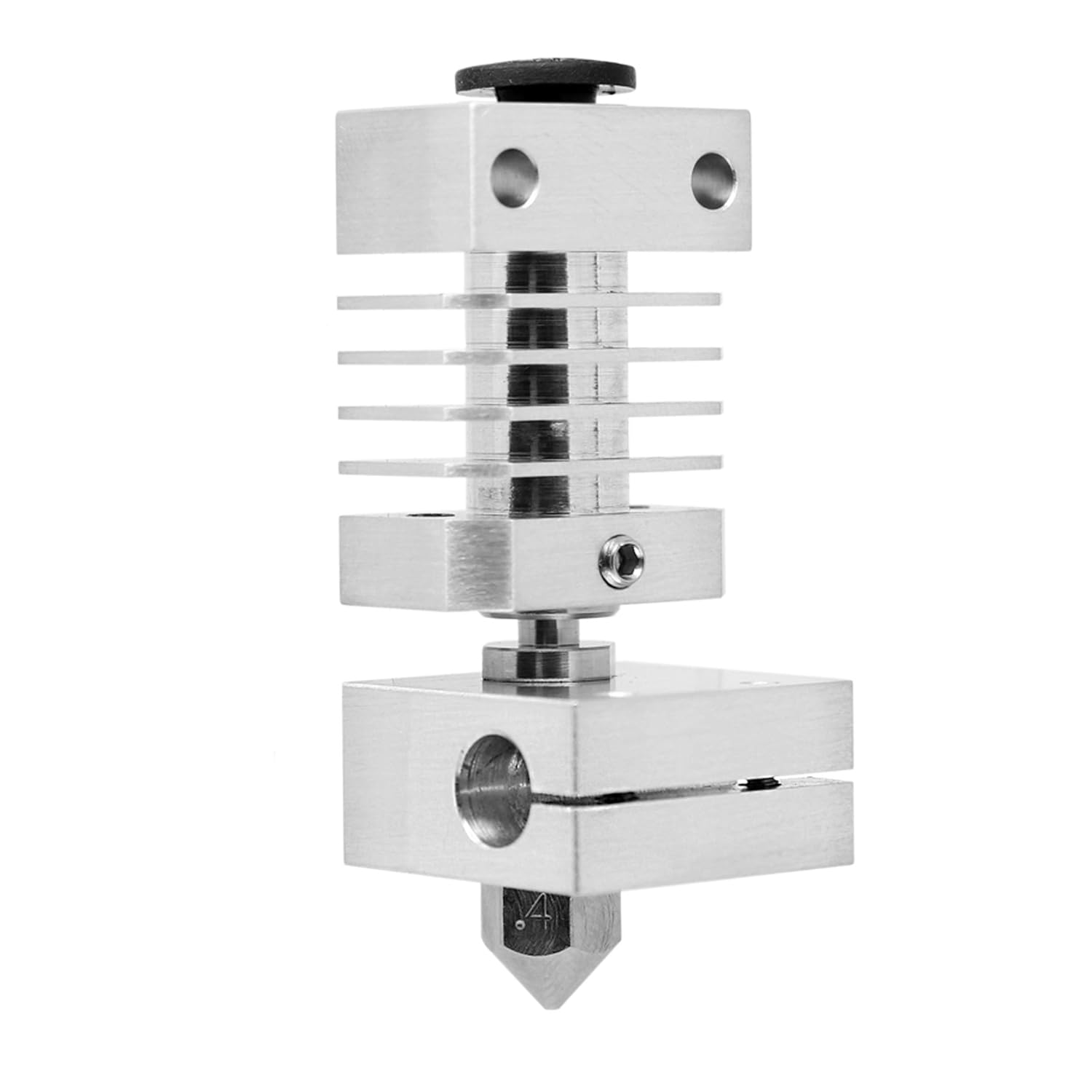
The hotend melts filament and pushes it through the nozzle, and replacing one either repairs a clogged printer or opens it to hotter and harder materials. Printer fit comes first: mounting, wiring connectors, fan duct and firmware settings differ, and a complete assembly named for a printer model avoids most of the work. The maximum temperature is published and depends on the whole assembly — a hotend with a PTFE liner reaching into the hot zone is limited well below an all-metal design. The heat break separates the hot and cold parts, and its material and design decide how well the hotend resists heat creep, the clog that follows slow or long prints. The nozzle standard decides which nozzles fit later. The heater and thermistor are rated separately, with power and sensor type that firmware has to match. Cooling — the heatsink and its fan — keeps the cold side cold. The melt zone length affects retraction behavior. Hotend work involves high temperatures and mains-powered heaters on some printers, and the maker's instructions apply. We compare printer fit, maximum temperature, heat break, nozzle standard, heater and thermistor, cooling and melt zone.
By Jean-Benoit Buisson