Tank volume, frequency and heat, read for what goes in the basket
The best ultrasonic cleaners for 2026
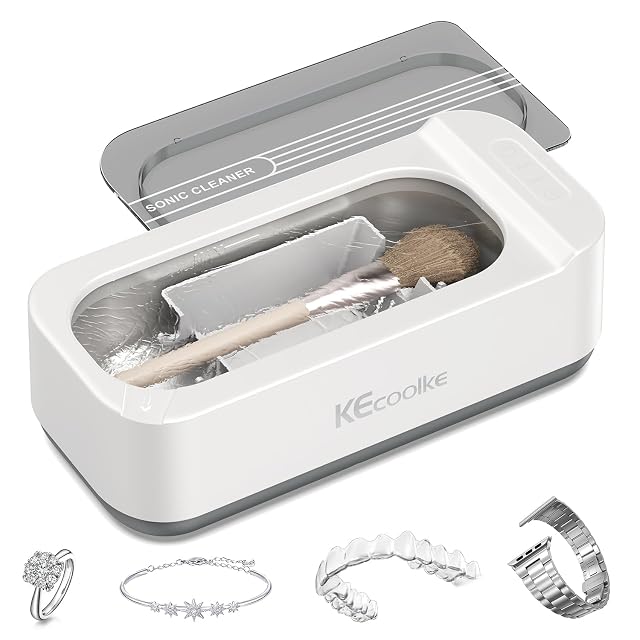
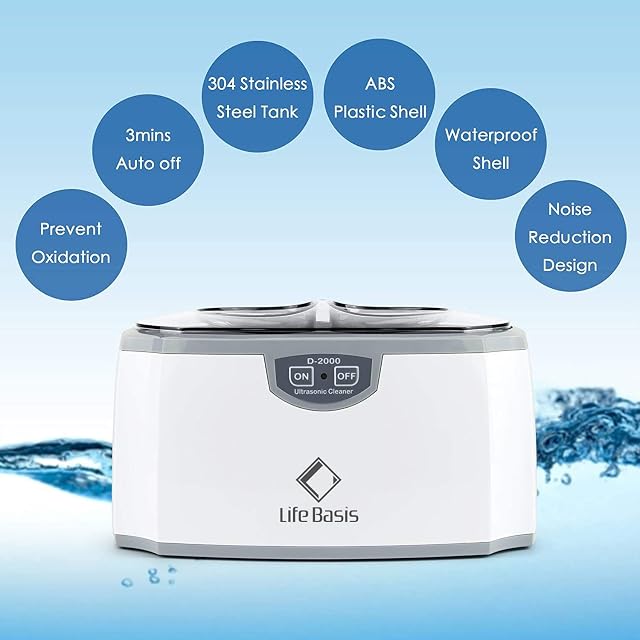
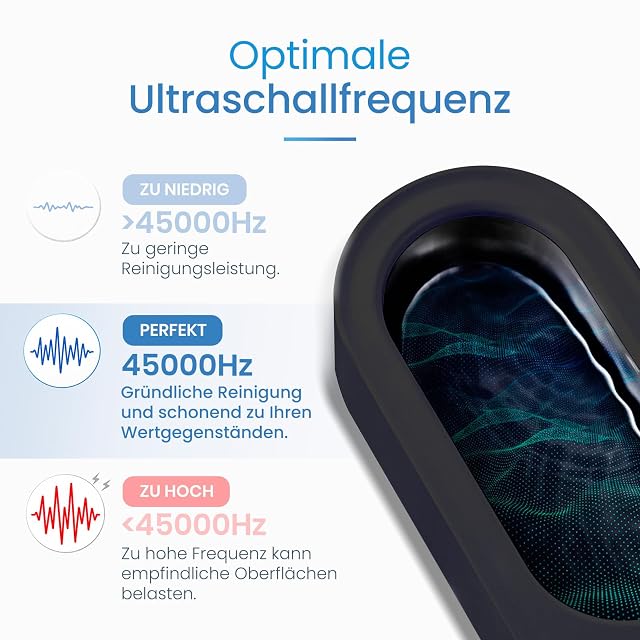
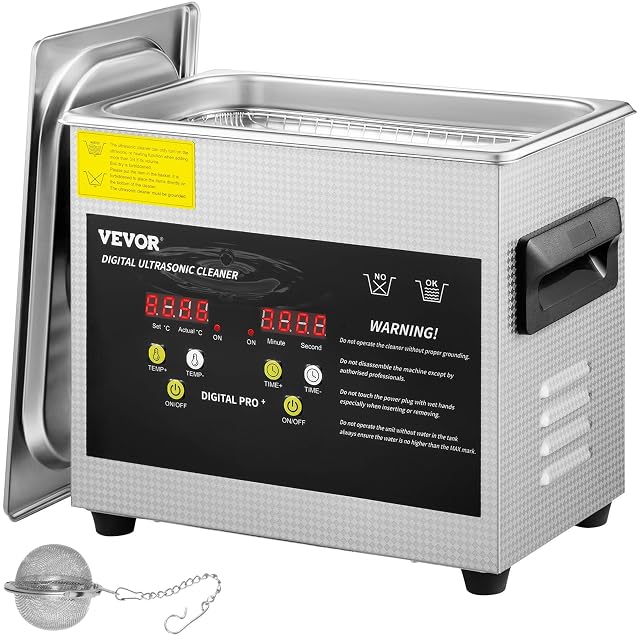
An ultrasonic cleaner fills a tank with sound waves that make tiny bubbles collapse against a surface, lifting dirt from places a brush cannot reach — printer nozzles, soldered boards, small resin parts, tools. Tank volume is quoted in litres and the internal dimensions matter more: a long, shallow tank takes a part that a larger square one will not. Frequency is published in kilohertz, and lower frequencies clean more aggressively while higher ones suit delicate items — some units switch between two. Ultrasonic power is a watt figure that describes the transducers, often printed beside a separate heater power, and the two must not be added together or confused. A heater helps with grease; a timer and a basket that keeps parts off the tank floor protect both. A drain valve makes emptying a large tank manageable. Then the liquids: water with a suitable detergent works for most jobs, and the maker lists what the tank tolerates — flammable solvents are commonly excluded from ultrasonic tanks, and electronics are cleaned only when their own maker allows it. We compare tank volume and dimensions, frequency, ultrasonic and heater power, timer, basket, drain and permitted liquids.