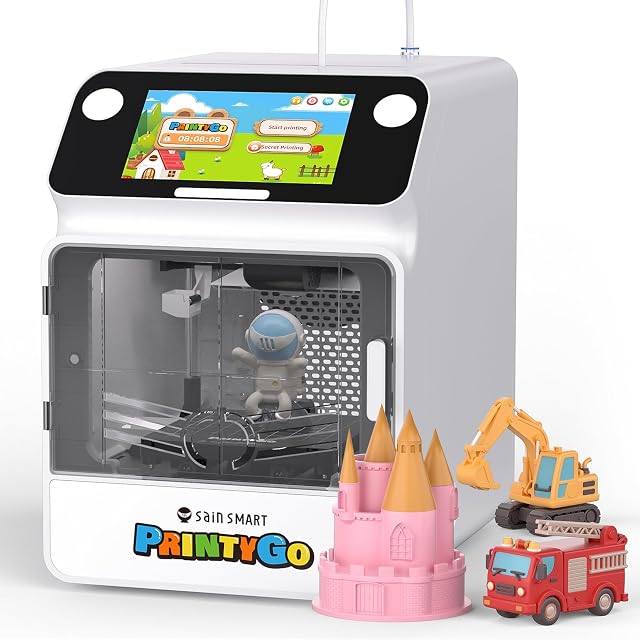
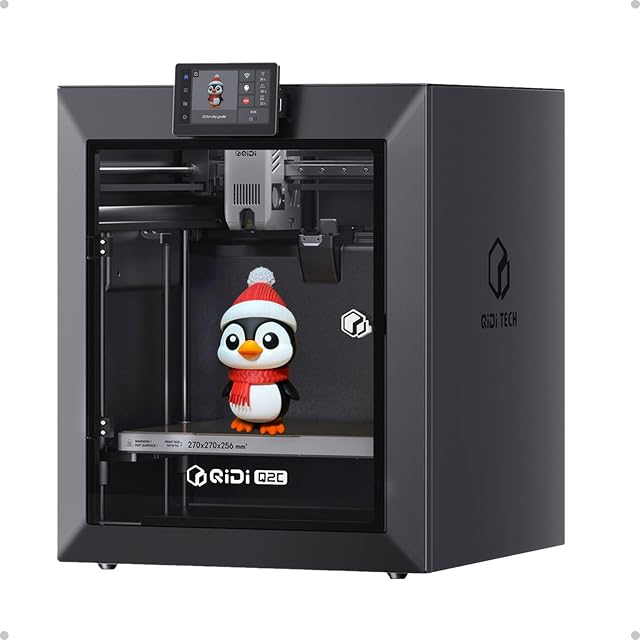
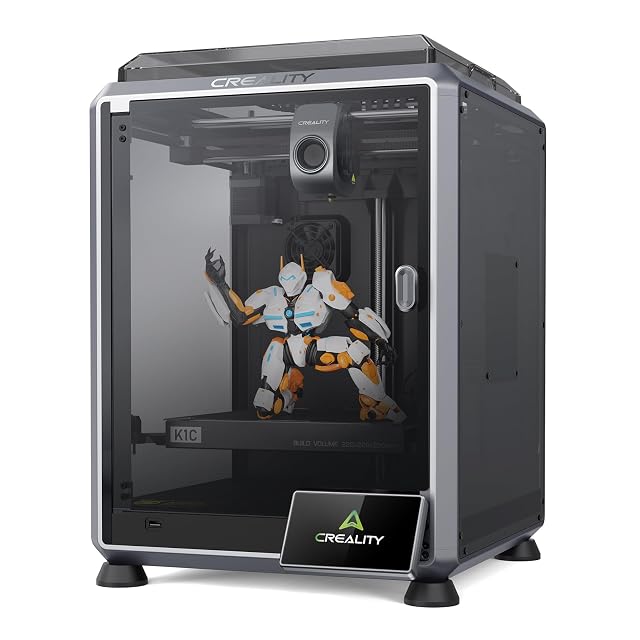
The frame and the motion system decide more than the speed on the box
The best FDM 3D printers for 2026
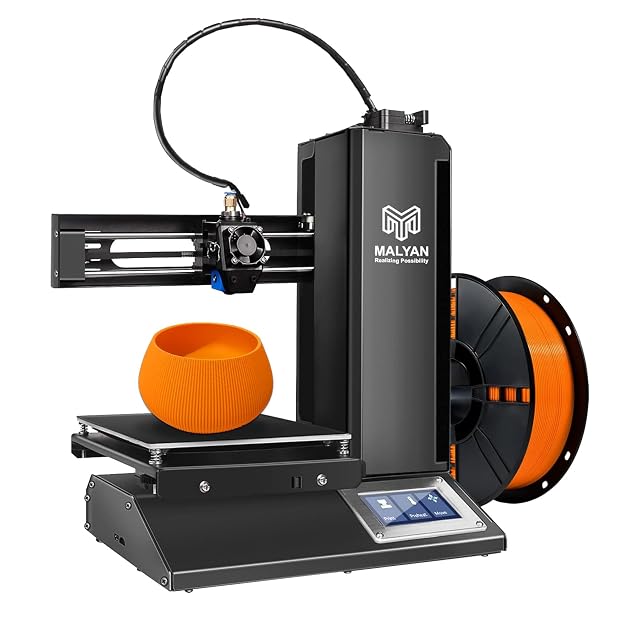
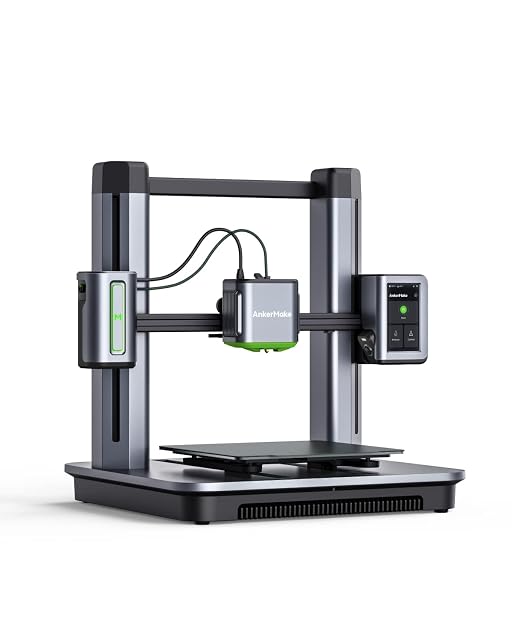
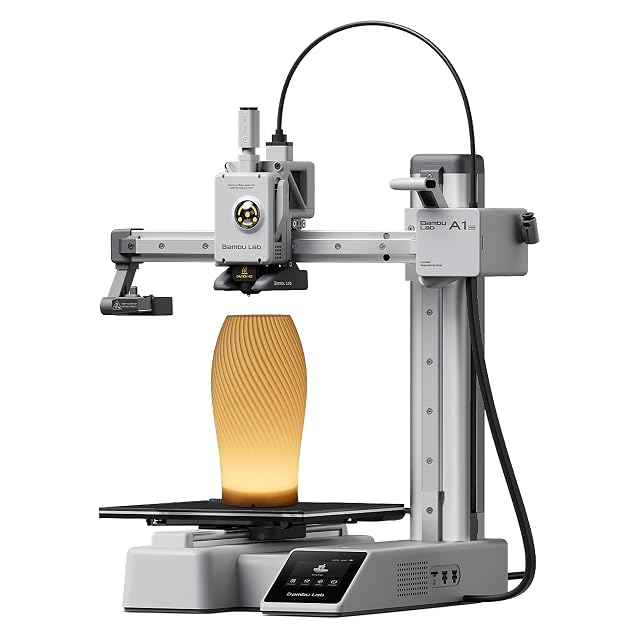
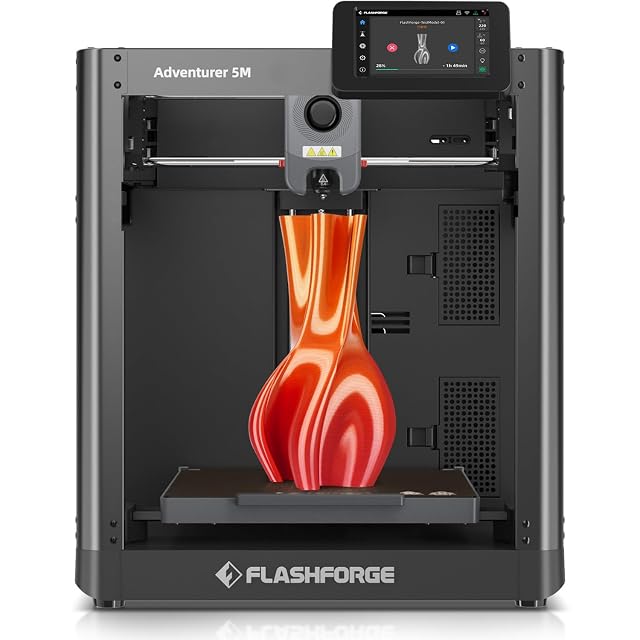
A filament printer pushes melted plastic through a nozzle and draws a part one layer at a time, and almost everything that separates two machines on this shelf is mechanical rather than electronic. The motion system comes first: a bed-slinger moves the plate back and forth under the nozzle, a CoreXY frame moves the head over a bed that only descends, and the second design is what lets a maker publish high speeds without shaking a tall part loose. Build volume is a declared width, depth and height, read as published and never rounded into a single figure. The maximum speed printed on a listing is a limit of the motion system, not the rate at which a part comes out well, and the honest pages say so or publish a recommended speed beside it. Levelling is either manual, assisted by a probe, or fully automatic with a sensor that measures the plate before every print — the difference between a first layer that sticks and an afternoon spent with a sheet of paper. The hotend is described by its maximum temperature, which decides whether engineering filaments are possible at all, and the bed surface by its material and whether it lifts off. Then the enclosure, the filament diameter the extruder accepts, and what the machine does when the spool runs out. We compare build volume, motion system, levelling method, hotend and bed temperatures, bed surface, enclosure and published speed.