Hot or cold nozzle, and which filament it takes, before any colour count
The best 3D pens for 2026
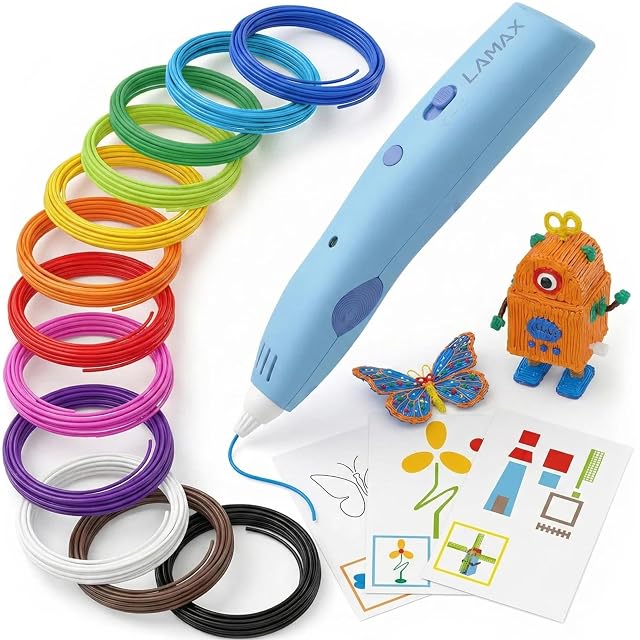
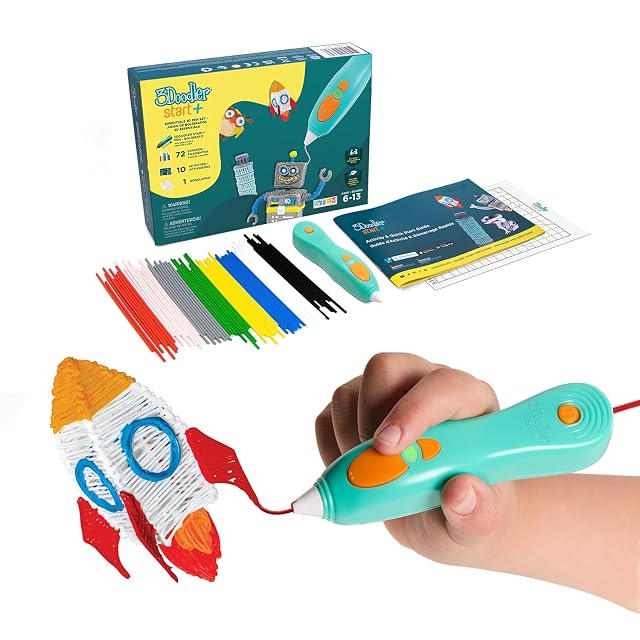
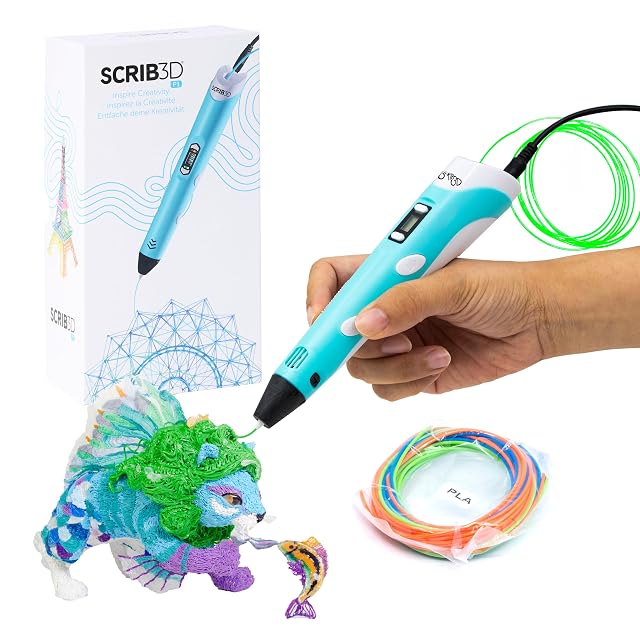
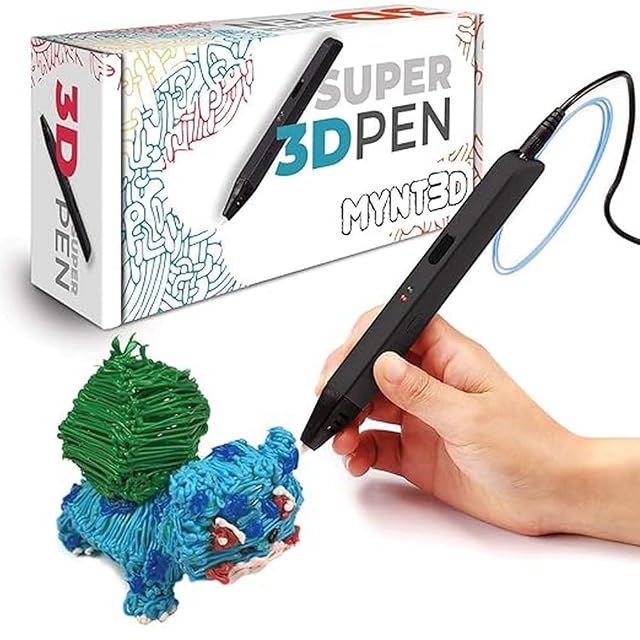
A 3D pen is a handheld extruder: filament goes in the back, melts or softens, and comes out of a tip that draws in the air. The first decision is the nozzle type. A heated pen melts standard filament and reaches temperatures that call for care; a low-temperature pen uses its own softer material, stays cooler at the tip and is the one sold to children — and the maker states which it is and what age it recommends. The filament accepted follows from that choice and is the running cost: common filament in 1.75 mm is cheap and everywhere, while a proprietary low-temperature refill ties the pen to one supplier. Speed control is published as a number of steps or a continuous dial, and a pen with only one speed makes fine lines and filled areas equally awkward. Power is a mains adapter, a USB cable or an internal battery, and a cordless pen is freer and has a stated runtime. Then the physical things that decide whether it is used: weight and grip, how the filament is loaded and unloaded, and what the listing says about an automatic shut-off. We compare nozzle type and temperature, filament accepted, speed control, power source, weight and published safety features.