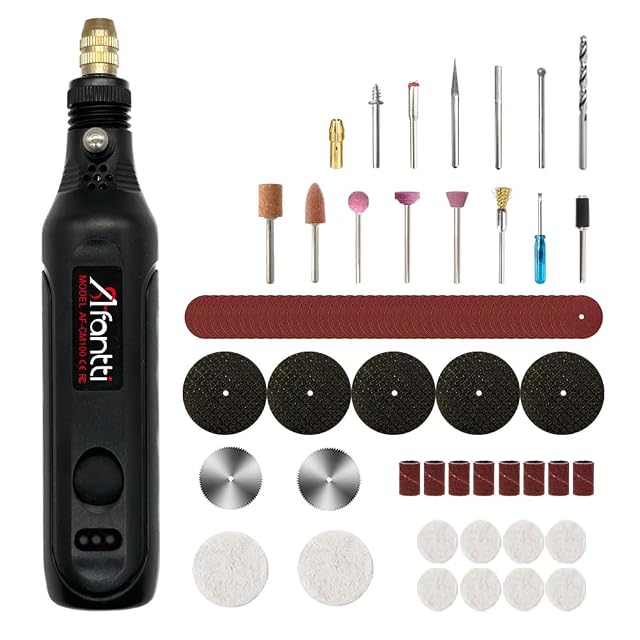
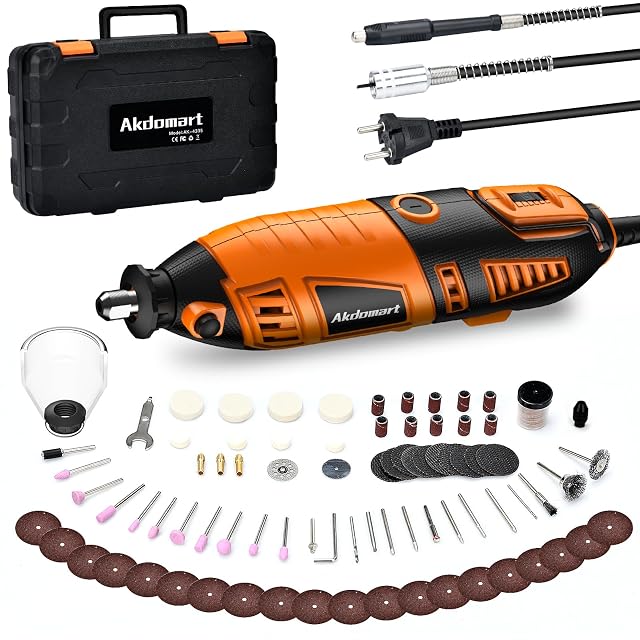
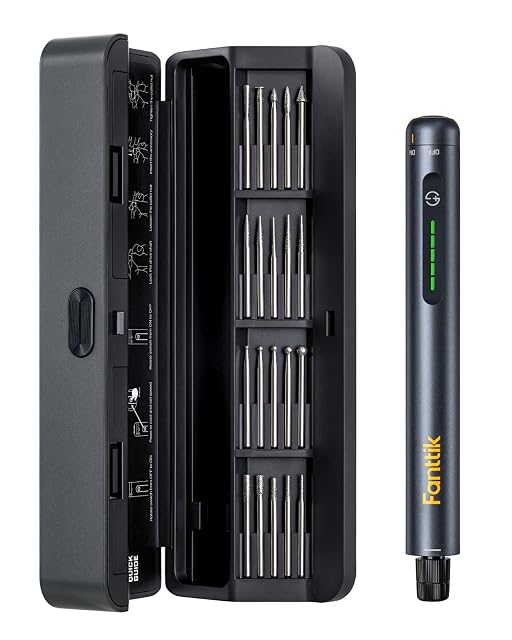
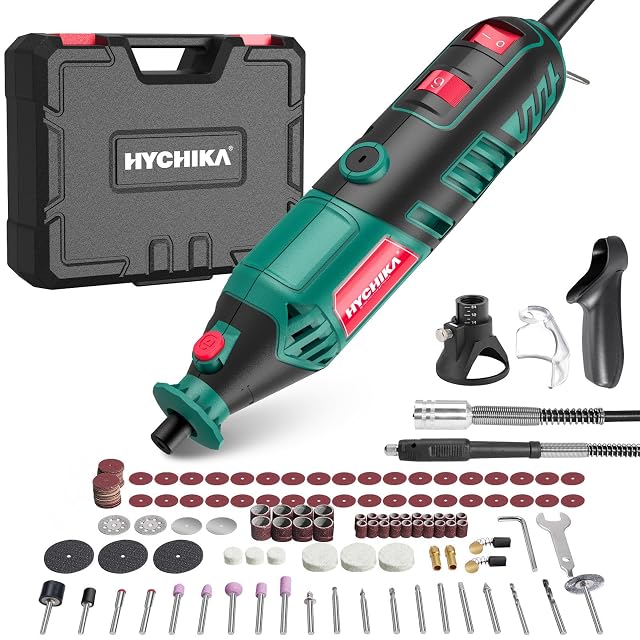
Speed range and collet size decide which accessories are worth buying
The best rotary tools for 2026
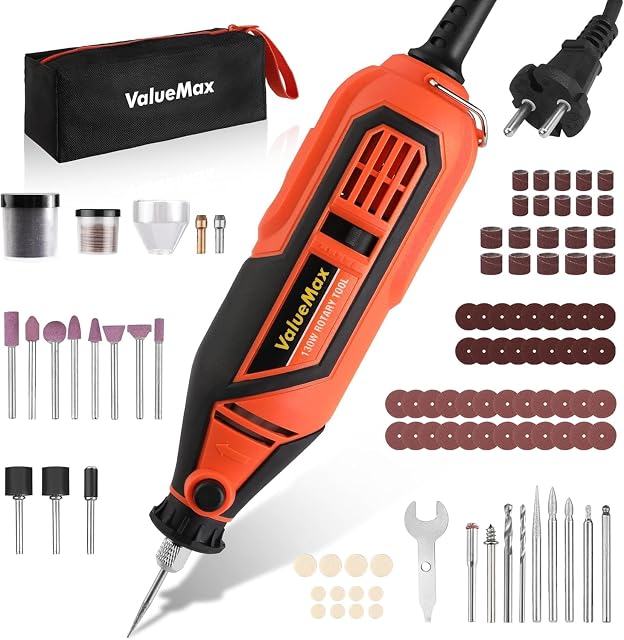
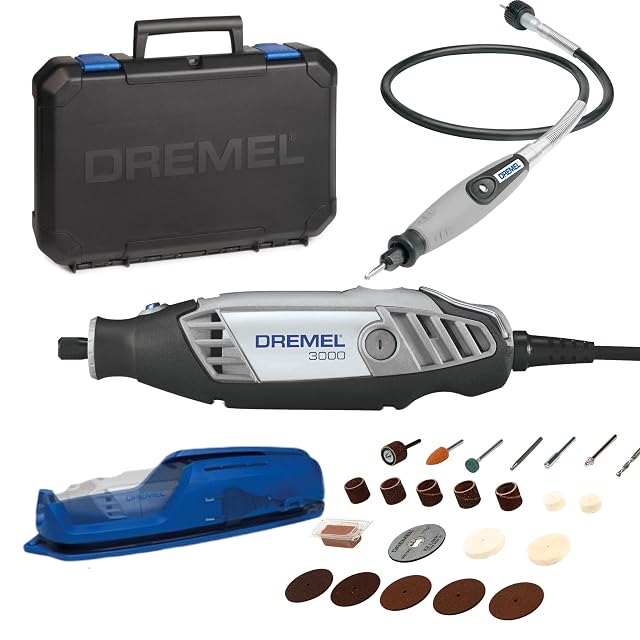
A rotary tool spins small accessories fast enough to sand support marks off a print, cut a plastic part, polish a metal edge or engrave a name, and it is the finishing tool on most maker benches. Speed range is published in revolutions per minute with a control that is variable or stepped, and low speeds matter as much as high ones because plastics melt when an accessory spins too fast. Power in watts describes a corded motor; a cordless tool is described by its battery voltage and capacity, and the two do not compare directly. Collet sizes decide which shank diameters fit, and a tool with a common collet or a keyless chuck accepts the widest accessory catalogue. The accessories included are counted largely on the box, and the count says less than the types: cutting discs, sanding drums, polishing wheels and burrs. A flexible shaft lets the motor hang while a pen-sized handpiece does fine work. Attachment compatibility — routing bases, cutting guides, a drill stand — follows the brand, and third-party parts fit some bodies and not others. Then weight, noise, vibration and how the collet is locked. Cutting discs shatter and dust flies, so the eye protection and guards the maker specifies apply. We compare speed range, power or battery, collet sizes, accessory types, flexible shaft and attachment compatibility.