Damp filament strings and pops, and a dryer is cheaper than a failed print
The best filament dryers for 2026
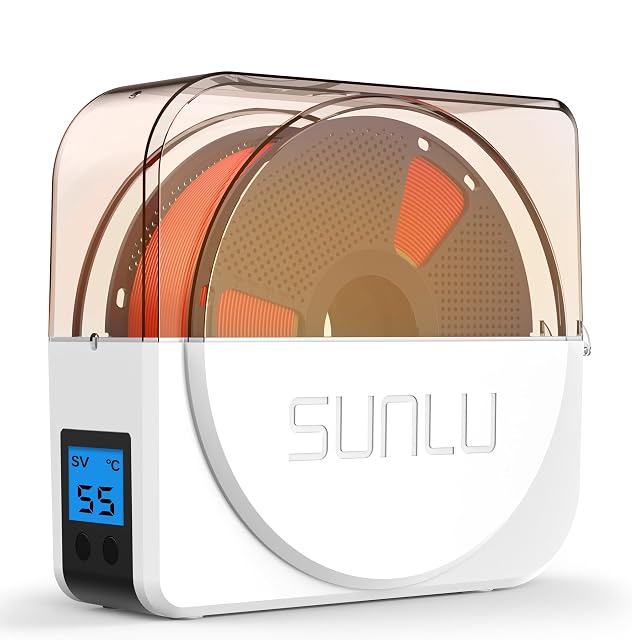
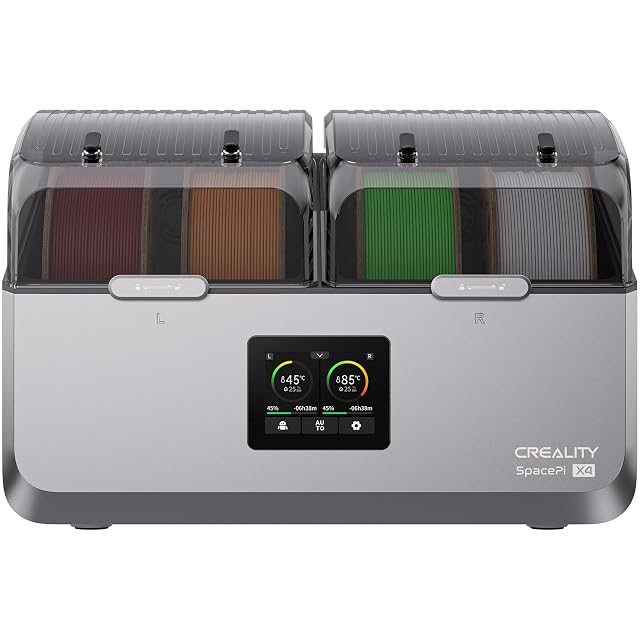
Most filaments take up moisture from the air, and a damp spool prints with strings, bubbles and weak layers. A dryer warms the spool to drive that water out, and some keep it dry while it prints. Maximum temperature is the specification that decides which materials it can dry: a low ceiling suits PLA, while nylon and polycarbonate need more heat than a basic box reaches, and the maker's own drying temperatures for each filament are the ones to follow. Spools held and the spool sizes accepted are published — a box that closes on a standard spool may not fit a cardboard or oversized one. A humidity display reads the air inside the box, not the filament itself, so it shows the environment rather than proving the spool is dry. Airflow matters because heat alone without ventilation leaves moisture trapped; a fan and a vent are described where present. Print-through feeding lets filament leave the box straight to the printer, keeping it dry during a long job. Then a timer, the noise, and whether the unit can double as storage. We compare maximum temperature, spools held and sizes accepted, humidity display, airflow, feed-through and timer.