A whole computer on a card, and the power supply is part of the board
The best single-board computers for 2026
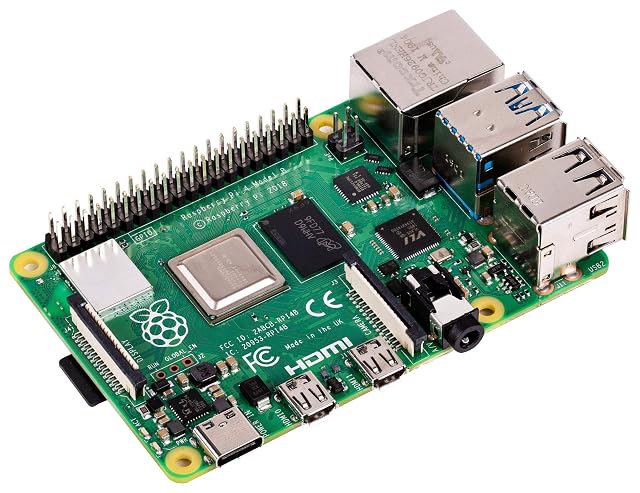
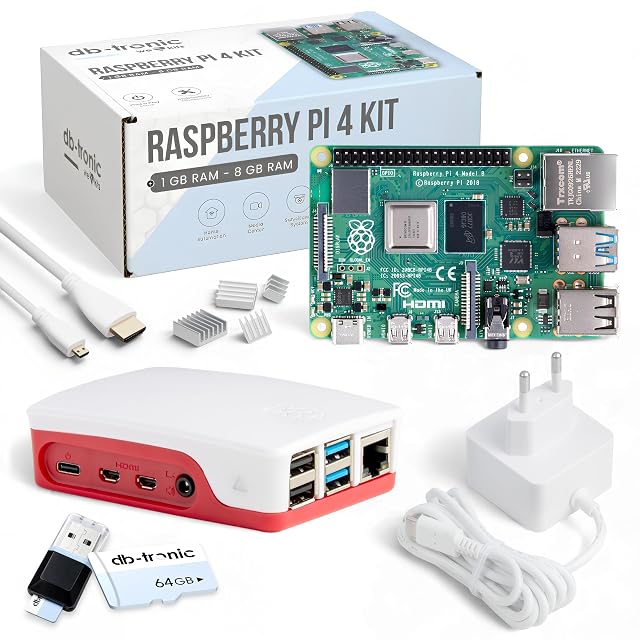
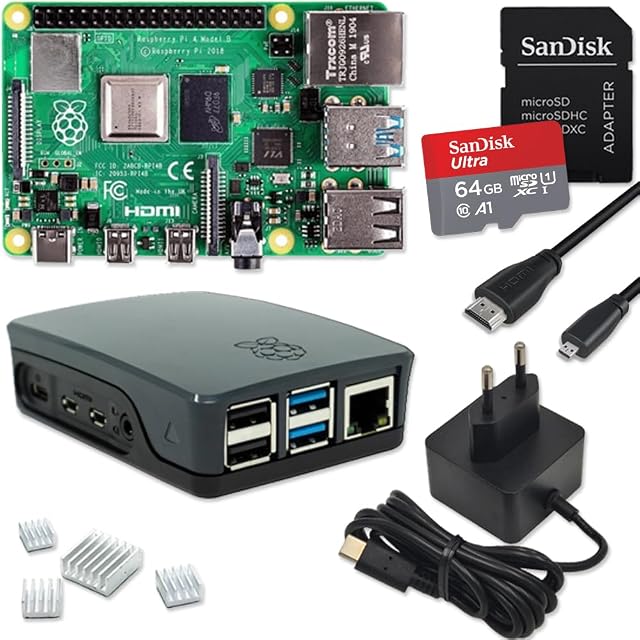
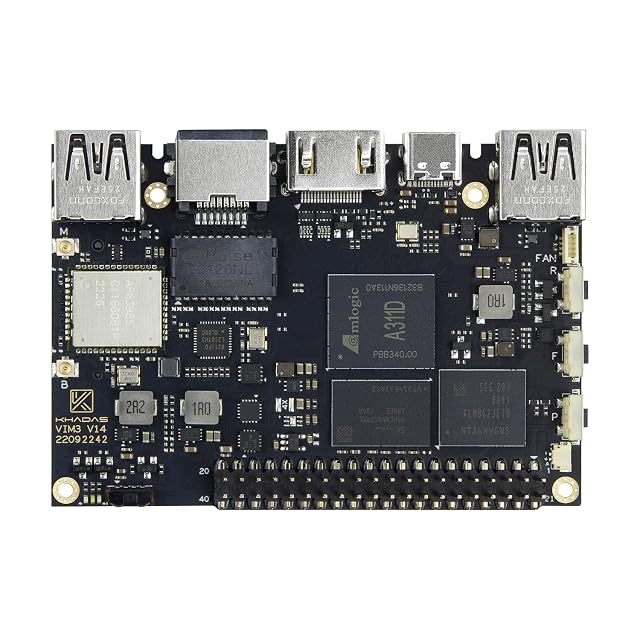
A single-board computer runs a full operating system on one small board, and it sits between a microcontroller and a desktop: it controls a 3D printer, drives a camera, serves a web page, runs an emulator. The processor and RAM are published, and RAM is usually soldered, so the size bought is the size kept. Storage is a microSD card on most boards, with eMMC or an NVMe slot on others, and the difference decides how fast the system feels and how long it lasts. The GPIO header — its pin count and layout — decides which add-on boards fit, and a board that follows a common layout inherits a large accessory catalogue. Ports are listed by type and count: video outputs, USB, Ethernet and its speed. The power requirement is the specification most often ignored: many boards need a supply of a stated voltage and current through a specific connector, and an underpowered supply causes instability rather than a clear error. Cooling — a heatsink, a fan, a case — matters under sustained load, when a hot processor slows itself. Then operating system support, which differs widely between the reference board and compatible alternatives. We compare processor, RAM, storage options, GPIO header, ports, power requirement, cooling and operating system support.