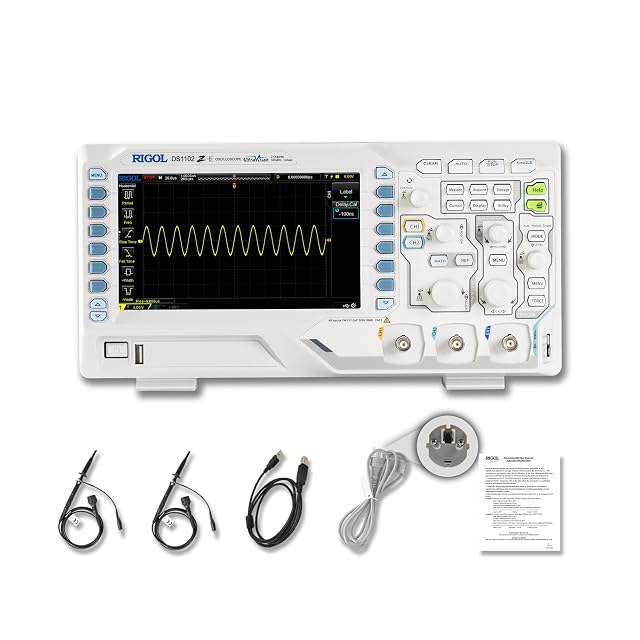
Bandwidth and sample rate are two numbers, and neither replaces the other
The best oscilloscopes for 2026
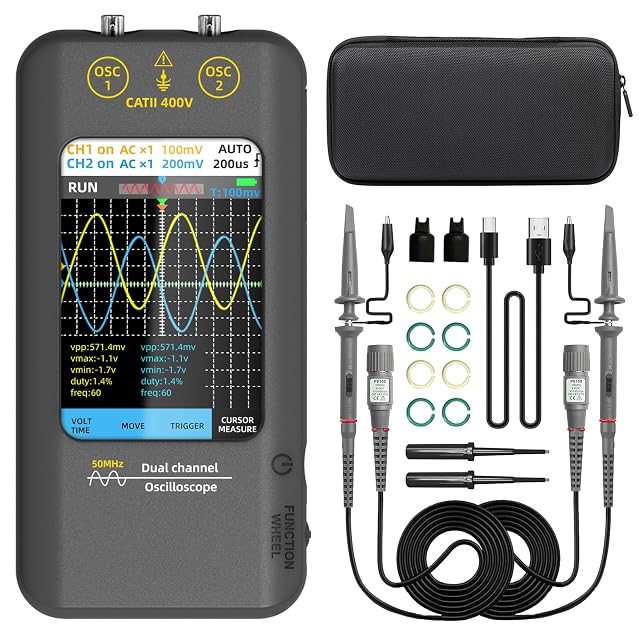
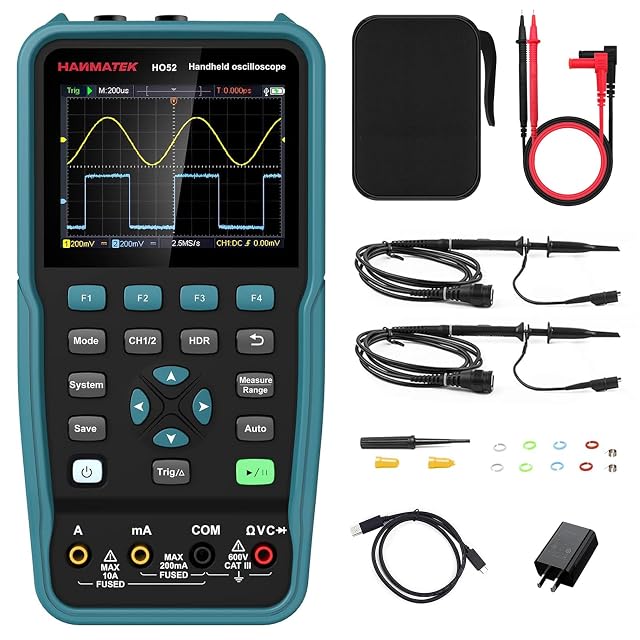
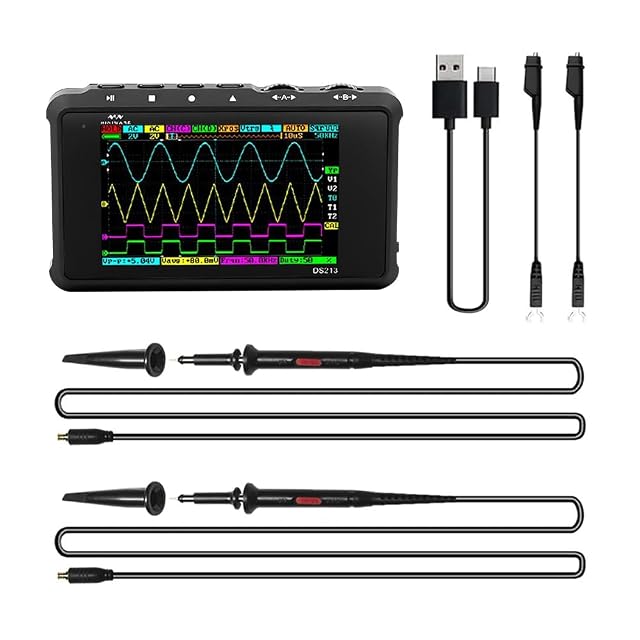
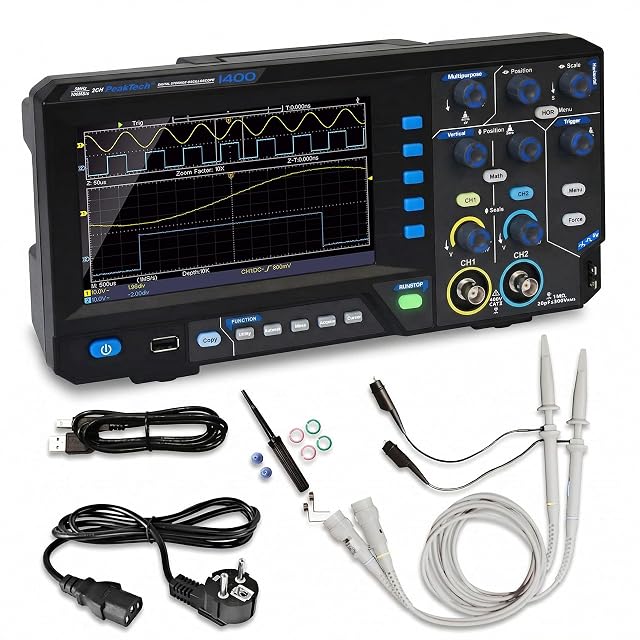
An oscilloscope draws a voltage over time, and its specifications come in pairs that are easy to confuse. Bandwidth, in megahertz, describes the frequency at which the input attenuates a signal by a defined amount; a signal near that limit is shown smaller and softer than it is. Sample rate, in samples per second, describes how often the converter measures, and it has to be well above the frequencies of interest. The two are different figures and a high value of one does not compensate for a low value of the other. Channels are published as analogue inputs, sometimes with digital logic inputs beside them. Memory depth — how many points a capture holds — decides whether a long, detailed capture is possible at a high sample rate. Triggering options decide whether a rare glitch can be caught, and protocol decoding for serial buses turns a scope into a debugging tool. Many scopes ship with features that are unlocked by a licence, and the listing should say which features are included and which are paid. Then the probes in the box, with their own bandwidth rating, the screen, and connectivity for saving captures. Measuring mains-powered circuits needs the right probe and category rating, and the maker's safety instructions apply. We compare bandwidth, sample rate, channels, memory depth, triggering, decoding, licensed features and probes supplied.