Cutting force and media width decide everything the software cannot
The best vinyl cutting plotters for 2026
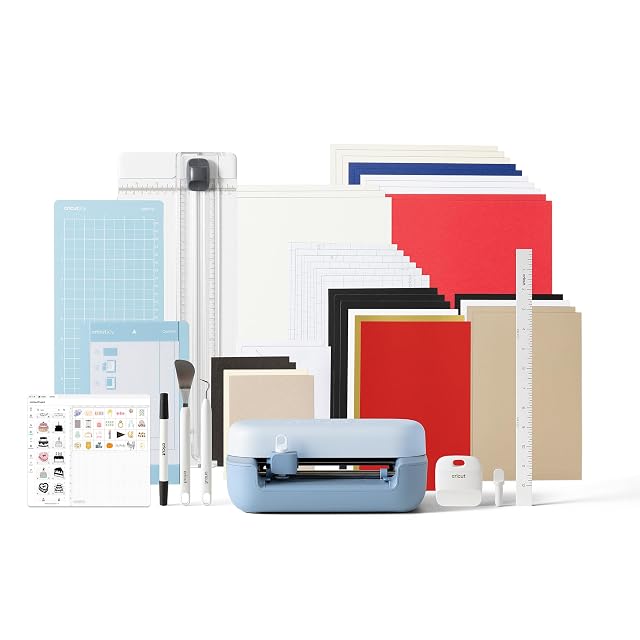
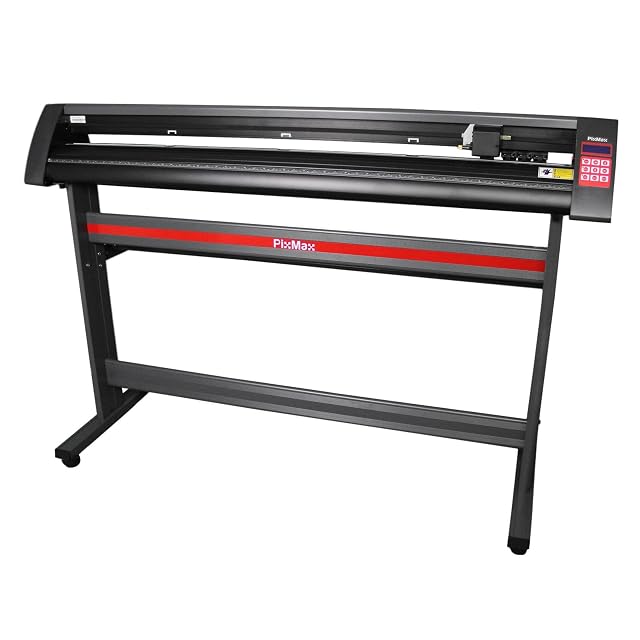
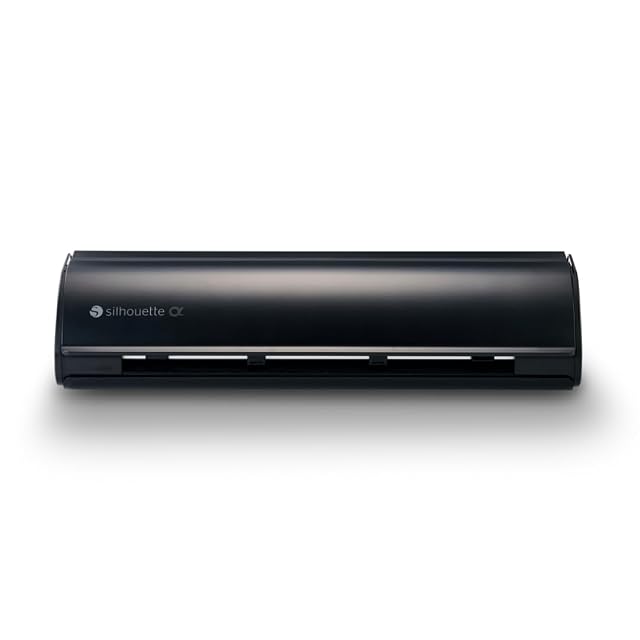
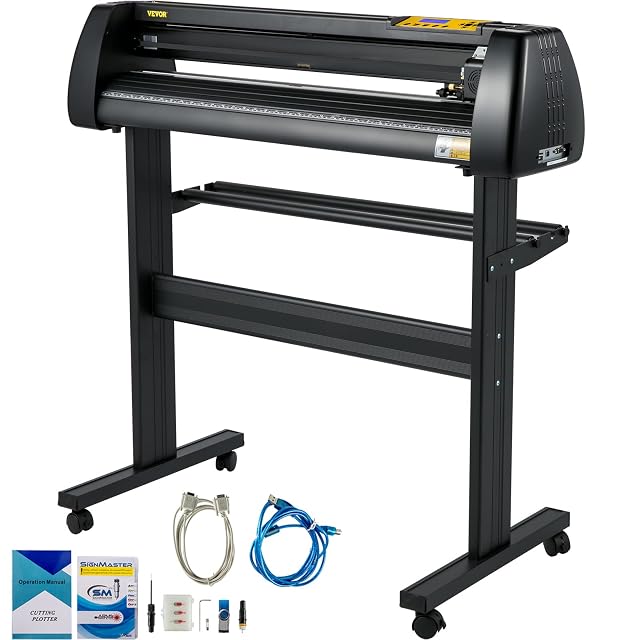
A cutting plotter drags a small blade through vinyl, card, iron-on film and paper, following a design, and the specifications that matter are force, width and feeding. Cutting force is quoted in grams and decides which materials the blade gets through cleanly — thin vinyl needs little, thick card and fabric need much more. Media width is the widest sheet or roll the machine accepts, and it caps the size of a sign or a garment transfer. Feeding is either on a sticky carrier mat or matless for materials with their own backing, and machines that do both are more flexible. A print-and-cut sensor reads registration marks so a printed sticker can be cut around its outline — a feature that separates the craft machines from the sign cutters. Tool options — pens, scoring tools, rotary blades, debossing — are published per model and often sold separately. Then the software: some plotters work with free desktop programs, others require the maker's own design application, and a subscription for fonts and designs is a running cost worth reading before the machine. We compare cutting force, media width, feeding method, print-and-cut, tool options, connectivity and software terms.