A small, well-arranged bench is more useful than a large, crowded one.
Electronics bench surface
A heat-resistant mat for soldering, stable and easy to clean. An ESD mat where sensitive components are handled, as component makers advise.
Light and magnification at the bench
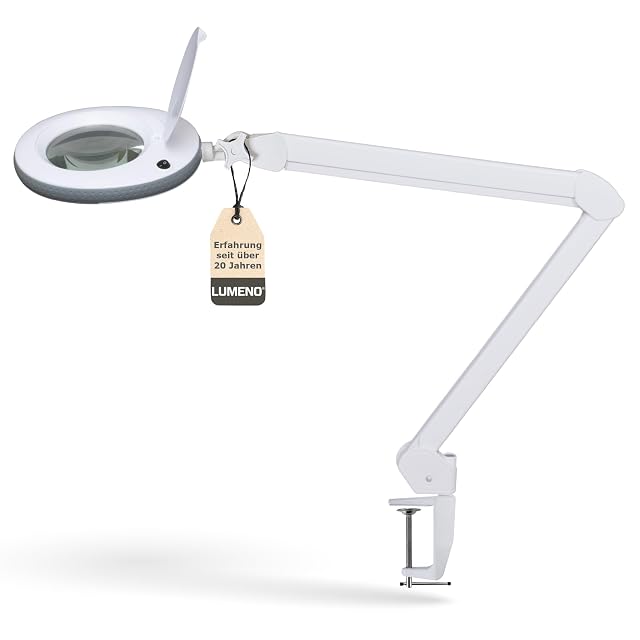
Bright, even light without hard shadows, and a magnifier lamp or loupe for small parts. Colour temperature affects how wire colours read.
Air at the electronics bench
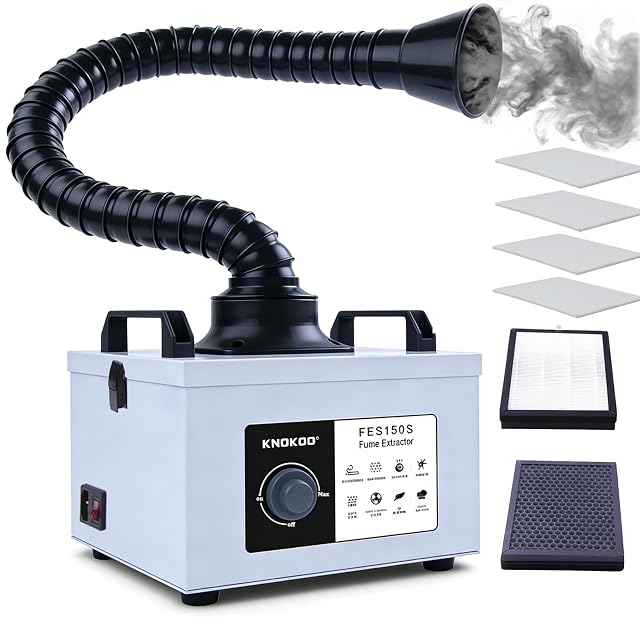
Flux fumes from soldering need ventilation or a fume extractor, as solder and flux makers describe. Place the extractor close to the work.
Power at the electronics bench
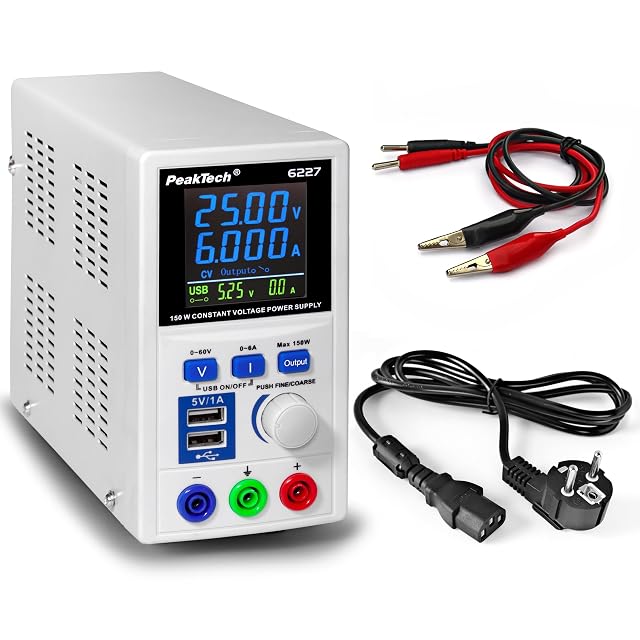
A bench power supply with a current limit protects new circuits. Keep mains wiring off the bench surface and follow component ratings for anything connected to the mains.
Keeping electronics parts in order
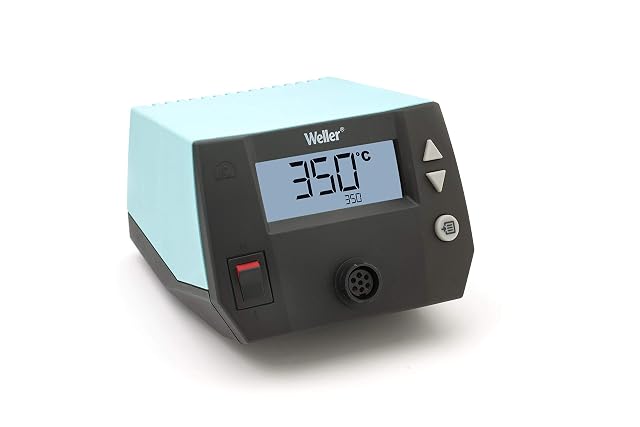
Labelled drawers for components, a tray for the current project and a place for the iron stand, solder and flux reduce the time lost searching and the risk of knocking a hot iron.
Questions makers ask before buying
Is an anti-static mat necessary?
For sensitive components, many makers recommend ESD precautions such as a grounded mat and wrist strap. Component datasheets state their sensitivity.
Where should the soldering iron stand go?
On the side of the dominant hand, clear of cables, so the hot iron is never reached across.
Last reviewed 15 September 2026