The machine is the easy part to choose. The room around it decides whether it can be used every evening or only on warm days with the window open.
A surface that suits the machine
Stable and level for printers, which vibrate. Fire-resistant for lasers, with nothing flammable around the working area. Easy to clean for resin, which drips. The maker’s dimensions and weight, plus clearance for doors and lids, set the minimum size.
A route for the air
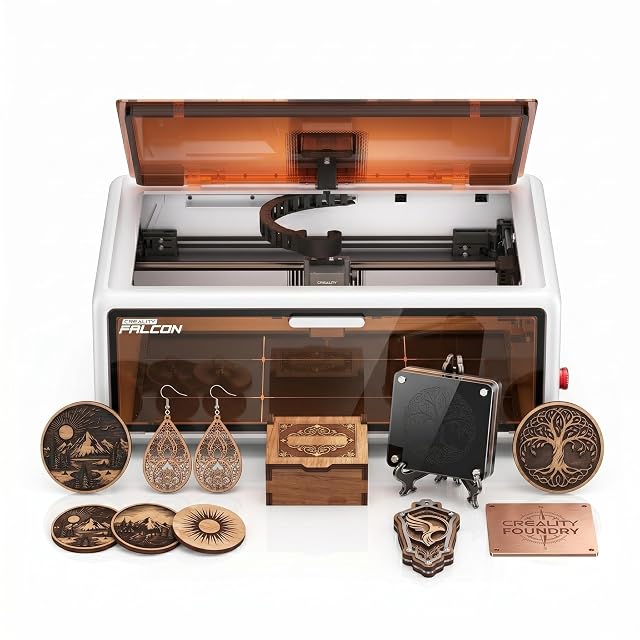
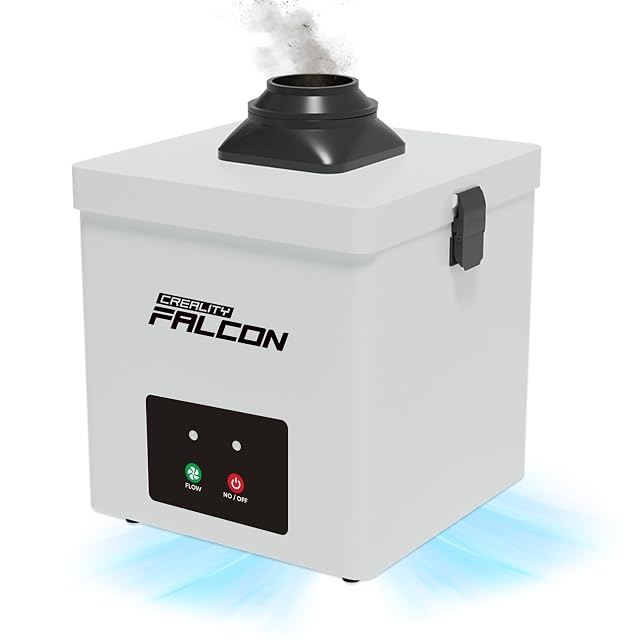
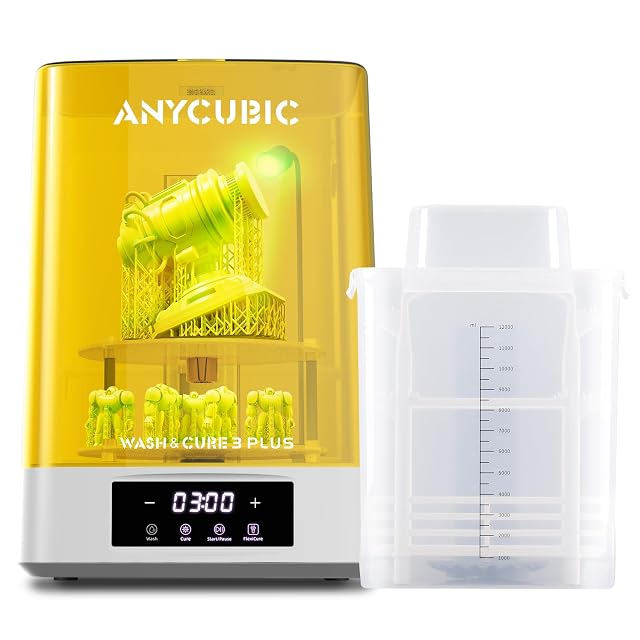
Plan where the smoke from a laser and the fumes from resin washing will go before the machine arrives. Venting outdoors through a window or wall duct is one route; a fume extractor with filters is another, chosen by the airflow and filter stages its maker publishes. The laser or resin maker’s manual states what its machine requires.
Power and cables
Each machine’s power draw is published on its rating plate. A dedicated socket avoids extension cords under a hot machine, and cables should stay clear of moving parts and heated surfaces.
Storage for consumables
Resin bottles belong in a cool, dark, closed place away from children and pets, as their labels describe. Filament goes in sealed boxes. Laser materials are best stored flat so they stay in focus.
Safety equipment within reach
Eye protection marked for the laser’s wavelength, nitrile gloves for resin, a fire extinguisher suited to the materials, and a first-aid kit. The makers’ instructions list what each machine requires, and this site reports those requirements rather than judging any set-up safe.
Questions makers ask before buying
Can a laser and a resin printer share a room?
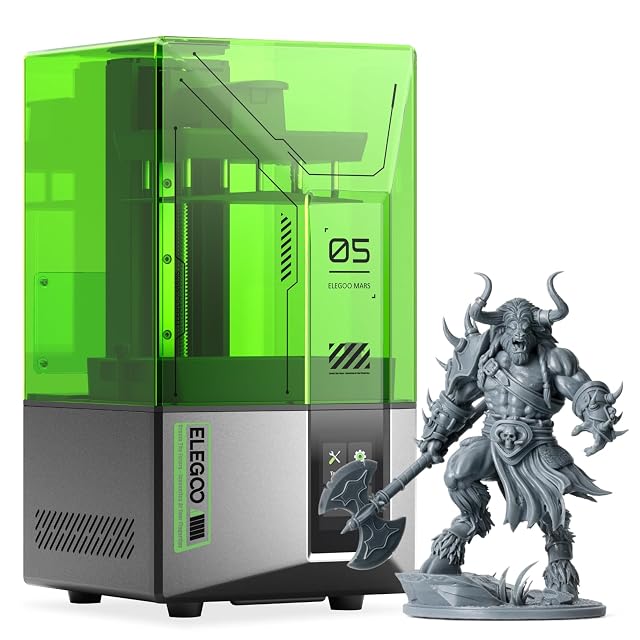
Many hobby workshops do, but each machine’s ventilation and storage requirements still apply separately. Both makers’ installation instructions are the reference for what the room needs.
Does resin need a heated room?
Many resins print more reliably within a temperature range their makers publish, and cold rooms slow curing. Some printers heat their vat; others rely on the room.
Last reviewed 15 September 2026